
Table of Contents
ToggleLanguage learning trends 2026 point to a year of major shifts in how people acquire new languages. Technology continues to reshape education, and language learning sits at the center of this transformation. Artificial intelligence, virtual reality, and mobile platforms are changing the experience for millions of learners worldwide.
The global language learning market is projected to exceed $115 billion by 2026. This growth reflects increased demand for multilingual skills in business, travel, and personal development. Learners now expect smarter tools, faster results, and more engaging methods. This article breaks down the key language learning trends 2026 will bring and what they mean for students, professionals, and educators alike.
Key Takeaways
- Language learning trends 2026 highlight AI-powered personalization, VR immersion, and mobile-first microlearning as the dominant forces reshaping how people acquire new languages.
- AI tutors now deliver real-time feedback and adaptive lessons, helping learners progress faster by focusing on individual weaknesses rather than generic curricula.
- Virtual and augmented reality create immersive practice environments, allowing learners to simulate real-world conversations without the pressure of speaking to native speakers.
- Social learning platforms and language exchange apps connect users globally, providing authentic interaction and community support that solo study cannot match.
- Mandarin, Spanish, Japanese, Korean, and Arabic remain the most in-demand languages for career growth and cultural engagement in 2026.
- Microlearning and gamified mobile apps make consistent language practice accessible in just five to ten minutes a day, fitting seamlessly into busy schedules.
AI-Powered Personalized Learning Takes Center Stage
Artificial intelligence is reshaping language education in 2026. AI-powered platforms now analyze learner behavior, identify weaknesses, and adjust lessons in real time. This approach delivers a custom experience that traditional classrooms cannot match.
Modern AI tutors track pronunciation, grammar patterns, and vocabulary retention. They provide instant feedback and suggest exercises based on individual progress. A learner struggling with Spanish verb conjugations, for example, receives extra practice on that specific skill. Someone excelling in reading but lagging in speaking gets more conversational drills.
Language learning trends 2026 show that adaptive algorithms are becoming standard across major platforms. Apps like Duolingo, Babbel, and newer competitors use machine learning to optimize study sessions. The result is faster progress with less wasted time on material the learner already knows.
AI chatbots also offer conversation practice around the clock. These tools simulate real discussions without the pressure of speaking to a native speaker. Learners can practice ordering food in Japanese or negotiating in Mandarin at any hour. The technology has improved dramatically, responses now sound natural and contextually appropriate.
For educators, AI handles routine tasks like grading quizzes and tracking attendance. Teachers can focus on high-value activities like cultural lessons and pronunciation coaching. This shift makes language instruction more efficient for everyone involved.
The Rise of Immersive and Virtual Reality Language Experiences
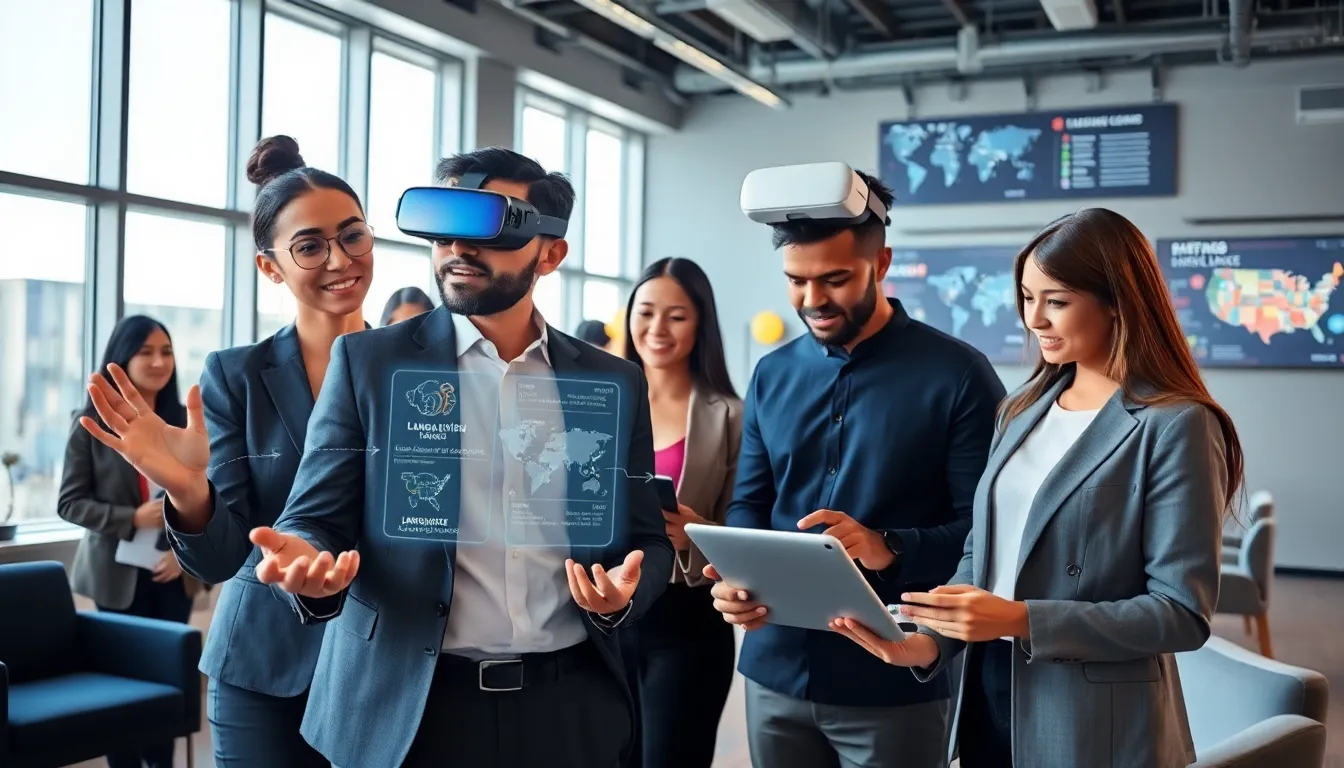
Virtual reality is moving from novelty to necessity in language education. VR headsets transport learners into simulated environments where they practice real-life scenarios. A student can walk through a Paris market, order coffee in a Tokyo café, or attend a business meeting in São Paulo, all from their living room.
This immersive approach addresses a common problem: lack of practice opportunities. Many learners study vocabulary and grammar for years but freeze when they encounter native speakers. VR bridges this gap by creating low-stakes environments for repeated practice.
Language learning trends 2026 indicate growing adoption of VR in schools and corporate training programs. Companies use virtual simulations to prepare employees for international assignments. Medical professionals practice patient consultations in Spanish or Mandarin before working with real patients.
Augmented reality also plays a role. AR apps overlay translations and pronunciation guides onto real-world objects. Point a phone at a street sign in Berlin, and the app displays the English translation along with audio. This technology turns everyday surroundings into language lessons.
The hardware is becoming more accessible. Standalone VR headsets now cost less than $300, and smartphone-based AR is essentially free. These price drops remove barriers that previously limited immersive learning to well-funded institutions.
Social Learning and Community-Based Platforms
Humans learn languages best through interaction. Social learning platforms capitalize on this fact by connecting learners with native speakers and fellow students worldwide. These communities provide motivation, accountability, and authentic practice that solo study cannot deliver.
Language exchange apps match users who want to teach their native language while learning another. A Spanish speaker in Mexico City practices English with a partner in London, and both benefit. These exchanges happen through text, voice, and video calls at times convenient for both parties.
Language learning trends 2026 show community features becoming central to major platforms. Group challenges, leaderboards, and shared goals keep learners engaged. Study groups form around specific interests, business German, medical Spanish, or anime Japanese. Members support each other through difficult phases and celebrate milestones together.
Live group classes are also gaining popularity. Small cohorts meet online with instructors for structured lessons and free conversation. This format combines the flexibility of online learning with the social benefits of traditional classrooms.
User-generated content adds another dimension. Learners share vocabulary lists, grammar explanations, and cultural tips. The best resources rise to the top through community voting. This crowdsourced approach produces practical materials that textbooks often miss.
Most In-Demand Languages for 2026
Career opportunities and cultural interests drive language choices. Several languages stand out as particularly valuable for 2026 and beyond.
Mandarin Chinese remains the top choice for business learners. China’s economic influence continues to grow, and Mandarin speakers command premium salaries in international trade, finance, and technology sectors.
Spanish holds strong as the second-most spoken native language globally. In the United States, Spanish proficiency opens doors in healthcare, education, law, and countless other fields. The language also provides access to markets across Latin America and Spain.
Japanese attracts learners interested in technology, gaming, and anime. Japan’s cultural exports maintain global appeal, and the country’s tech industry values bilingual professionals.
Korean has seen explosive growth thanks to K-pop, Korean dramas, and the country’s tech sector. Young learners especially gravitate toward Korean for cultural reasons.
Arabic offers strategic value for careers in diplomacy, energy, and international development. The language connects speakers to over 400 million people across the Middle East and North Africa.
Language learning trends 2026 also show interest in Portuguese, particularly Brazilian Portuguese. Brazil’s emerging economy and vibrant culture attract business professionals and travel enthusiasts alike.
Microlearning and Mobile-First Approaches
Short, focused lessons fit modern lifestyles. Microlearning breaks language study into five-to-ten-minute sessions that learners complete during commutes, lunch breaks, or waiting rooms. This approach removes the excuse of not having enough time.
Mobile apps dominate language learning trends 2026. Smartphones serve as the primary learning device for most users. Apps deliver lessons through push notifications, track streaks to build habits, and sync progress across devices. Learning happens anywhere with an internet connection.
The science supports this method. Research shows that spaced repetition, reviewing material at increasing intervals, improves long-term retention. Mobile apps carry out this technique automatically, surfacing vocabulary at optimal moments for memory consolidation.
Gamification keeps learners engaged. Points, badges, levels, and competitions make study feel like play. Daily goals create accountability, and streak counters motivate consistent practice. These elements tap into psychological principles that drive habit formation.
Podcasts and audio courses complement app-based learning. Commuters absorb lessons while driving or riding public transit. Audio content develops listening skills that text-based study alone cannot address.
Language learning trends 2026 point toward even shorter content formats. Thirty-second vocabulary videos and quick pronunciation drills fit into the smallest gaps in a busy schedule. The barrier to starting a session drops to almost nothing.

